
Nurturing Joy: How Growing Plants Transformed My Classroom Experience

Starting a new school year often brings a mix of excitement and stress. For me, the stress sometimes felt overwhelming, especially after challenging days filled with tight schedules, demanding lessons, and the constant pressure to meet every student's needs. I found myself searching for ways to bring calm and positivity into my classroom environment. That’s when I discovered the simple yet powerful joy of growing plants.
Finding Calm in Greenery
The idea of bringing plants into the classroom came unexpectedly. After a particularly tough day, a custodian noticed how stressed I seemed and suggested I try growing plants as a way to soothe my mind. At first, I was skeptical. How could something as simple as a plant make a difference in a busy classroom? But I decided to give it a try.
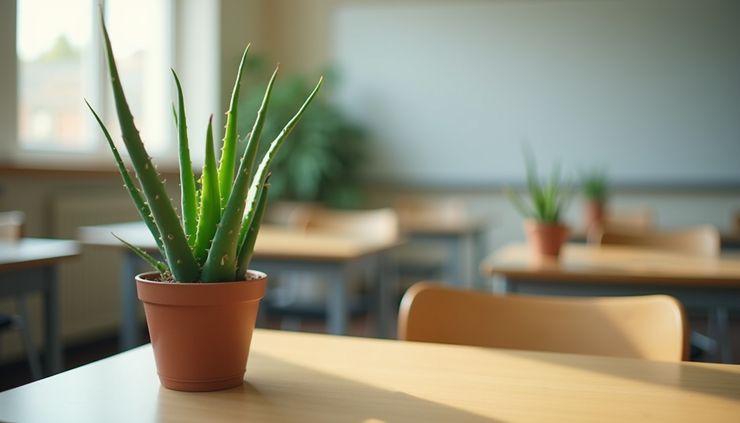
I started with a small aloe vera plant. It was easy to care for and had practical uses, like soothing minor scratches. I placed it on my desk, and soon, I noticed a subtle shift in the atmosphere. The green leaves brought a touch of nature indoors, softening the harshness of fluorescent lights and buzzing electronics.
How Plants Changed My Teaching Space
Bringing plants into the classroom did more than just improve the look of the room. It created a space that felt alive and welcoming. Here are some ways plants transformed my teaching experience:
Reduced Stress
Taking care of plants gave me a calming routine. Watering them and watching them grow helped me focus on something positive, even on difficult days.
Improved Air Quality
Plants naturally filter the air, which made the classroom feel fresher and more comfortable for both me and my students.
Encouraged Student Interaction
Students became curious about the plants. They would ask questions, share their own experiences with gardening, and even come to me for help with minor cuts using the aloe vera plant.
Created a Sense of Responsibility
Some students volunteered to help care for the plants. This small responsibility helped build their confidence and teamwork skills.
Practical Tips for Bringing Plants into Your Classroom
If you’re thinking about adding plants to your own teaching space, here are some practical tips based on my experience:
Start Small
Choose easy-to-care-for plants like aloe vera, spider plants, or pothos. These plants tolerate low light and irregular watering.
Use Plants with Practical Benefits
Aloe vera is great for minor cuts and burns, making it a useful addition to any classroom first aid kit.
Create a Plant Care Schedule
Involve students by assigning watering and care duties. This encourages responsibility and keeps the plants healthy.
Place Plants Strategically
Put plants where they can be seen and appreciated but won’t get in the way of daily activities. Windowsills, shelves, or your desk are good spots.
Use Plants to Teach
Incorporate plant care into lessons about biology, responsibility, or mindfulness. This makes learning more interactive and meaningful.
The Ripple Effect on Students
The impact of plants extended beyond me. Students noticed the difference too. The classroom felt less sterile and more inviting. Some students who struggled with focus found that the presence of plants helped them feel calmer and more grounded.
One student, who was usually shy and withdrawn, started taking an interest in the plants. She began helping with watering and even researched how to care for different species. This small spark of engagement boosted her confidence and participation in class.
Healing and Connection Through Nature
Using my aloe vera plant for minor scratches became a small but meaningful ritual. Students would come to me for help, and this simple act created moments of connection and care. It showed them that the classroom was a safe space where their well-being mattered.
The plants also became a symbol of growth and resilience. Just like the plants needed care and patience to thrive, so did my students and I. This parallel helped me approach challenges with more compassion and optimism.
Encouraging Others to Grow Their Own Classroom Gardens
If you’re a teacher or someone who spends a lot of time in a shared space, consider how plants might bring calm and joy to your environment. Growing plants is not just about decoration; it’s about creating a nurturing space that supports mental health and community.
Here are some ideas to get started:
Create a small herb garden for cooking or science lessons.
Use succulents for low-maintenance greenery.
Start a classroom terrarium to teach about ecosystems.
Invite students to bring in plants from home to share and care for together.
Final Thoughts on Growing Joy
Bringing plants into my classroom transformed more than just the physical space. It changed how I felt about my work and how my students engaged with the environment around them. The simple act of nurturing plants became a source of joy, calm, and connection.
If you’re feeling overwhelmed or looking for a way to bring more peace into your daily routine, consider growing plants. They offer quiet support, practical benefits, and a chance to slow down and appreciate life’s small moments.
Comments